Air Conditioning Solutions: Ensuring Your Home Stays Cool and Comfortable Every Season
Air conditioning services play an essential role in preserving a comfortable living environment all year long. They guarantee systems operate efficiently and last longer. Regular maintenance can prevent common issues, including insufficient cooling or poor airflow. A large number of homeowners neglect the significance of these services, frequently resulting in expensive repairs. Understanding the various types of systems and their maintenance needs prompts homeowners to consider ways to improve their comfort and energy efficiency.
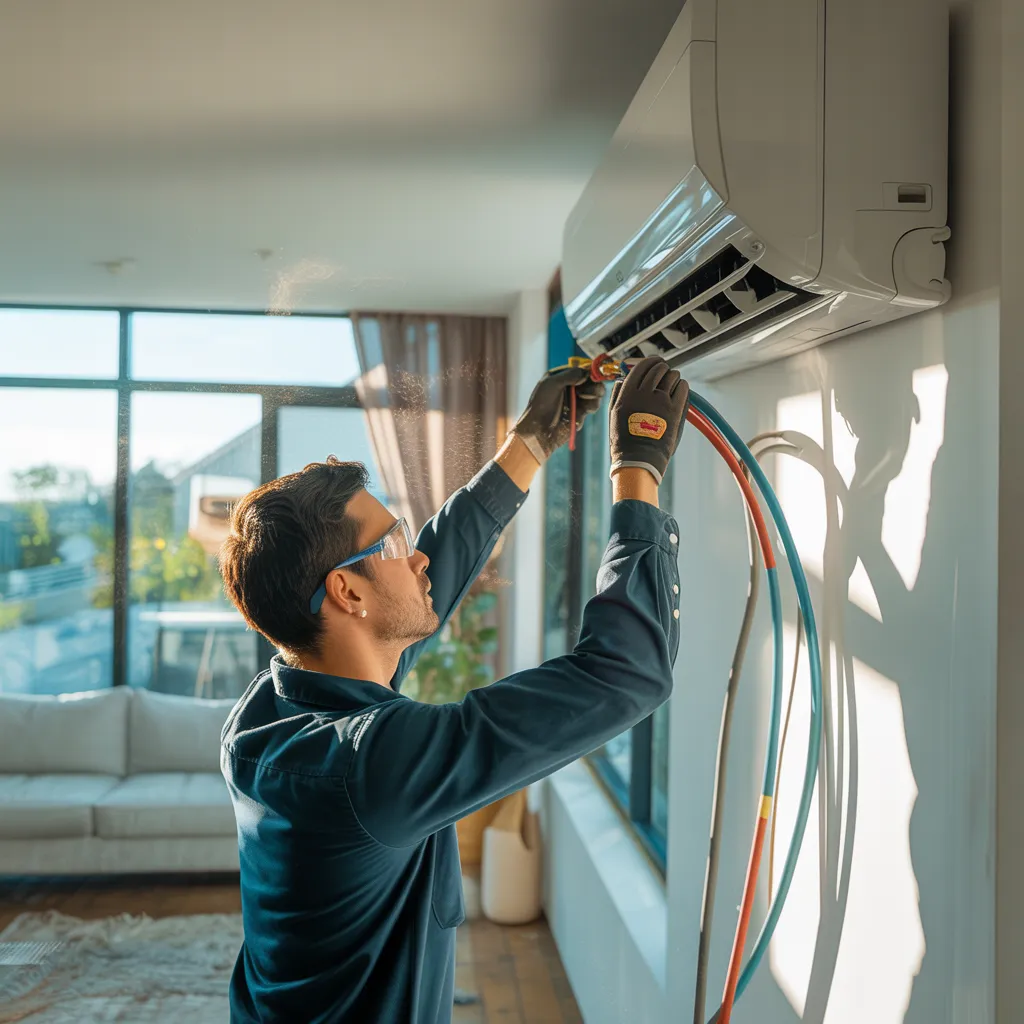
Air Conditioning System Types for Every Home
When selecting an AC system, homeowners are presented with several options designed for different needs and lifestyles. Central air conditioning units are favored for their effectiveness in cooling entire homes, typically making use of ductwork to distribute air. Ductless mini-split units offer flexibility, enabling homeowners to manage temperatures in separate rooms without requiring extensive ductwork. Window air conditioners serve as an affordable solution for cooling smaller spaces, as portable air conditioners deliver convenience and simple installation. Furthermore, geothermal systems leverage the earth's stable temperature to offer efficient heating and cooling solutions. Each system presents individual benefits, including varying levels of energy efficiency, installation expenses, and cooling capacities. Comprehending these options allows homeowners to make well-informed decisions, making certain their chosen system suits their unique requirements and way of life. In the end, the right air conditioning system greatly enhances a comfortable home environment all year long.
Why Routine AC Maintenance Is Important
Regular AC maintenance guarantees maximum efficiency and extended lifespan of air conditioning systems. This routine care is essential for making sure all parts operate at their best, avoiding undue stress on the system. Through consistent maintenance checks, residents can spot developing concerns before they develop into expensive fixes. Clean filters and coils improve ventilation and system performance, which not only enhances comfort but also reduces energy bills.
Furthermore, consistent upkeep helps sustain superior air quality by decreasing dust and allergens spreading throughout the home. Service technicians can also evaluate refrigerant levels and electrical components, ensuring safe operation. Many manufacturers recommend annual servicing to keep warranties valid, stressing the value of this maintenance habit. When all is said and done, dedicating resources to regular AC maintenance delivers consistent cooling performance, extended system longevity, and homeowner peace of mind, allowing them to enjoy a comfortable living environment throughout the year.
Diagnosing Frequent Air Conditioning Issues
Diagnosing typical air conditioning concerns is crucial for ensuring optimal performance. Most homeowners frequently experience challenges like insufficient cooling or odd noises emanating from their equipment. Identifying these problems early may eliminate the need for major repairs and maintain a comfortable living space.
Inadequate Cooling Issues
Inadequate cooling can leave homeowners feeling uncomfortable and frustrated, especially during the sweltering summer months. Typical culprits behind poor cooling performance often consist of dirty air filters, which limit air circulation, and blocked vents that prevent conditioned air from circulating effectively. Refrigerant leaks can also hinder performance, as depleted refrigerant levels impair the system's capacity to properly cool air. Furthermore, incorrectly sized systems may have difficulty reaching the desired temperature, leading to inconsistent temperature distribution across the house. Thermostat problems, including improper configurations or faulty equipment, can worsen the situation. Scheduled maintenance, including changing filters and conducting system evaluations, can assist in catching these concerns before they escalate, guaranteeing the cooling system runs effectively and maintains household comfort throughout every season.
Strange Sounds Diagnosis
Identifying abnormal noises from an air conditioning unit proves vital for diagnosing potential problems. Common sounds include rattling, which may suggest loose components, and hissing, often a sign of refrigerant leaks. A harsh noise can suggest issues with the motor or bearings, while a high-pitched squeal might indicate a problem with the fan or compressor. In addition, a bubbling sound could suggest refrigerant issues. All noises function as a clue to underlying mechanical failures, prompting timely inspections and repairs. Households should never disregard these auditory warnings; taking swift action can prevent further damage and costly repairs. Regular maintenance can also mitigate these issues, confirming the unit performs smoothly and quietly.
Choosing the Best Air Conditioning Service for Your Home
How does one determine the right AC service for their home? Selecting the best service involves several key factors. Initially, potential customers should seek recommendations from trusted friends and family, as personal experiences tend to offer valuable insights. Customer reviews and online ratings can also provide a broader perspective on a provider's reliability and customer satisfaction.
Next, it is vital to check the contractor's qualifications, including licensing and insurance coverage. This establishes alignment with local regulations and protects property owners from legal responsibility. Furthermore, reviewing the range of services offered can reveal whether the contractor can address individual concerns, such as system installation or urgent repairs.
Cost estimates ought to be collected from several contractors to evaluate costs openly. Ultimately, responsiveness and professionalism throughout early communications can reflect the standard of care to expect. By thoughtfully weighing these factors, residents can confidently choose the most suitable AC service for their needs.
Enhancing Your AC's Energy Efficiency
To improve your air conditioning system's power efficiency, regular maintenance checks are essential for optimal operation. In addition, the installation of a programmable thermostat can substantially reduce energy consumption by facilitating greater temperature regulation. Such measures not only improve comfort but also lead to monetary savings over the long haul.
Routine Maintenance Inspections
Regular maintenance checks are vital for boosting an air conditioner's overall energy performance. These scheduled inspections help uncover potential issues before they escalate, allowing for timely repairs and adjustments. In the course of a maintenance visit, technicians usually clean or swap out filters, thereby enhancing airflow and lowering energy usage. Additionally, they examine the refrigerant levels and electrical components to maintain top performance. Checking for duct leaks can also enhance efficiency, since properly sealed ducts stop conditioned air from leaking out. Consistent servicing not only extends the life of the system but also decreases utility bills by ensuring the unit operates at maximum efficiency. Property owners who commit to regular maintenance tend to enjoy a more efficient and economical cooling solution all year long.
Smart Thermostat Setup
Adding a smart thermostat can greatly enhance an air conditioning system's overall efficiency. These devices enable homeowners to program temperature settings based on their lifestyle patterns, ensuring that the AC operates only when needed. By learning user preferences over time, smart thermostats self-adjust, reducing energy consumption during peak hours. Many models offer remote access through smartphones, enabling users to track and adjust their home's climate from anywhere. This degree of flexibility not only enhances comfort but also produces significant cost savings on energy bills. Moreover, some smart thermostats provide usage reports, helping homeowners recognize trends and make well-considered modifications. Ultimately, incorporating a smart thermostat can be a simple yet effective step toward maximizing air conditioning performance.
Seasonal Tune-Up Guide for Your Air Conditioning System
Setting up your cooling system for the approaching season is vital for ensuring optimal performance and energy savings. Property owners should kick off by checking the external component for material like leaves, dirt, or debris, which can restrict airflow. Washing or swapping out the air filters is a critical next step, as dirty or clogged filters can compromise both efficiency and air quality. Additionally, inspecting refrigerant levels safeguards against cooling inefficiencies; reduced levels could signal a leak requiring expert intervention.
It is also wise to test the thermostat settings to ensure precise temperature regulation. Scheduling a professional maintenance check can additionally improve system dependability, allowing technicians to identify potential problems. Additionally, homeowners ought to consider closing any openings around windows and doors to minimize energy waste. By implementing these preventive steps, individuals can guarantee their air conditioning systems operate effectively across the season, providing comfort in the home.
Air Conditioning Services for Better Indoor Air Quality
The quality of indoor air is crucial for maintaining a healthy living environment, and air conditioning services are fundamental in making this possible. Routine maintenance and servicing of air conditioning systems ensures optimal performance, which has a direct effect on the air quality distributed throughout a residence. Skilled technicians routinely clean and swap out filters, eliminating dust, allergens, and contaminants that tend to build up over time.
Moreover, sophisticated air conditioning systems are often outfitted with air filtration technologies, such as HEPA filters and UV light systems, which considerably elevate the quality of indoor air. These features work to neutralize airborne contaminants, supplying cleaner and more refreshing air.
Moreover, scheduled inspections can spot potential complications, inhibiting the spread of mold and bacteria inside the system. All things considered, opting for air conditioning services not only supports comfort but also cultivates a healthier living space, contributing greatly to overall well-being.
Questions We Are Often Asked
How Often Do I Need to Replace My AC Filter?
Air conditioner filters generally need to be changed every one to three months, depending on usage and filter type. Consistent replacements increase efficiency, upgrade air quality, and lengthen the lifespan of the air conditioning system.
Can I Install an AC Unit Myself?
Mounting an AC unit on your own is achievable for those with sufficient skills and knowledge. However, it frequently demands careful consideration of local codes, proper tools, and understanding of both electrical components and refrigerant systems to ensure efficiency and safety.
What Is the Standard Lifespan of an Air Conditioning System?
The typical lifespan of an air conditioning unit usually spans 15 to 20 years. Key factors influencing durability encompass overview maintenance habits, frequency of use, and the standard of the original installation, influencing the system's overall performance and energy efficiency.
Are Government Rebates Available for Energy-Efficient AC Units?
Indeed, numerous authorities make available incentives for environmentally efficient air conditioners. These programs seek to encourage eco-conscious alternatives, decreasing power consumption and promoting sustainability, providing advantages to the environment and consumers alike through fiscal incentives.
How Can I Tell if My AC Is Too Large or Too Small?
To evaluate if an AC unit is correctly sized, one should assess cooling efficiency, observe temperature variations, assess moisture levels, and review energy consumption. A unit that is too large reaches the desired temperature too fast, while a unit that is too small has difficulty.